


Change is Coming
Excellent ‘Martyn’s Law’ conference held yesterday within the ‘Blue Light’ exhibition event at Olympia. A good spread of speakers and a panel made up largely

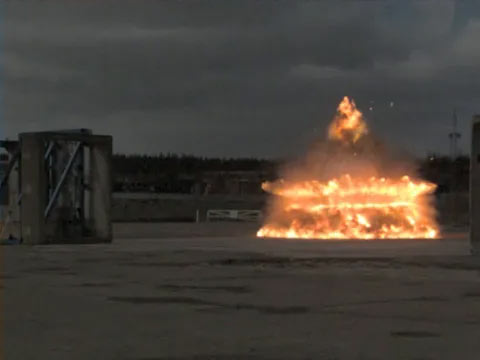
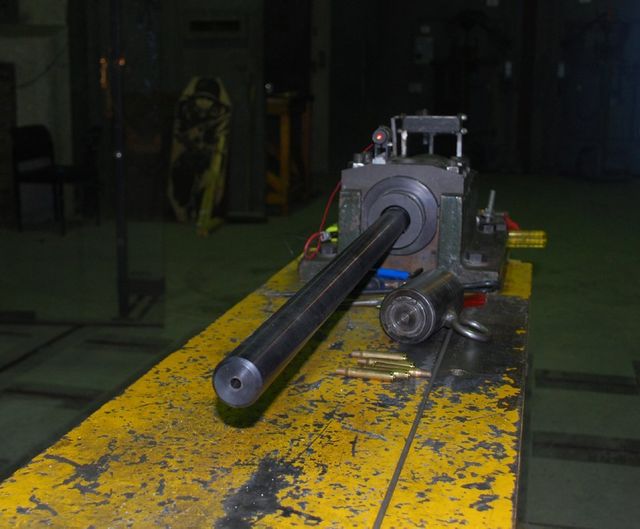
It essential that products designed to protect people and property undergo thorough testing. The staff at SJH Projects have carried out many explosive trials in the process of product development. We can help you exploit this experience to bring your own products to market.
The process starts with a consultation in which the end use and market sector requirements are discussed. Advice is then given on what level of testing, and where necessary, what formal test specifications should be followed. Liaison with the test ranges is then undertaken and all the planning other than test item manufacture is carried out on behalf of the customer. If required, the test footage/photos and data can be edited into a short movie or clips for presentations to potential customers.
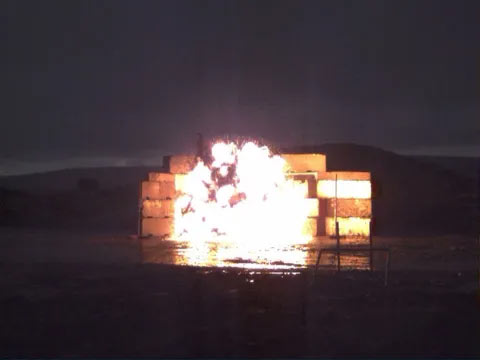
We have carried out a wide variety of blast tests using the appropriate specifications for the industry or application at hand. SJH projects can also assist in designing your test configuration and the test rigs themselves. Test management, data and imagery processing and detailed reporting can be provided to fully support the customer’s needs.
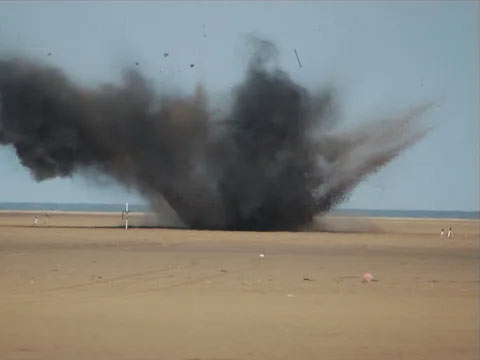
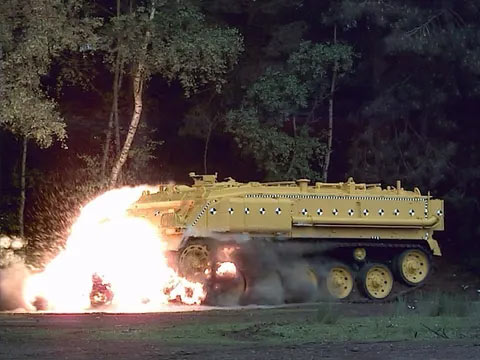
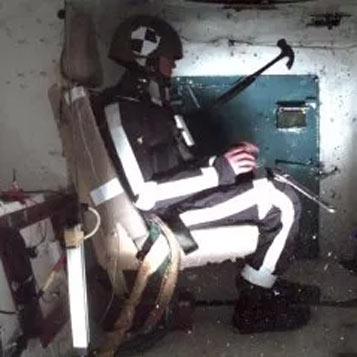
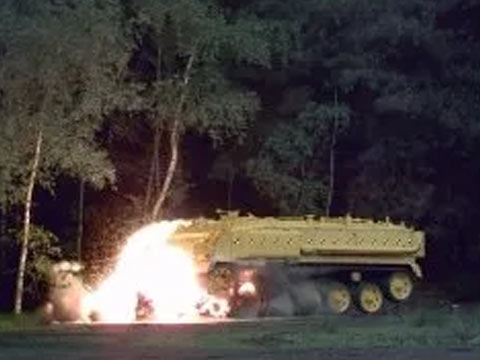
Since 2007, SJH Projects has developed experience in the use of the draft NATO publication, AEP55 Vol 2. The function of this document is to define the conditions for testing vehicles against the effects of landmines. By closely following the protocols laid down within, researchers around the world can directly compare results. This will lead to a wider acceptance of test results and cut down on the need to repeat tests for different national authorities.
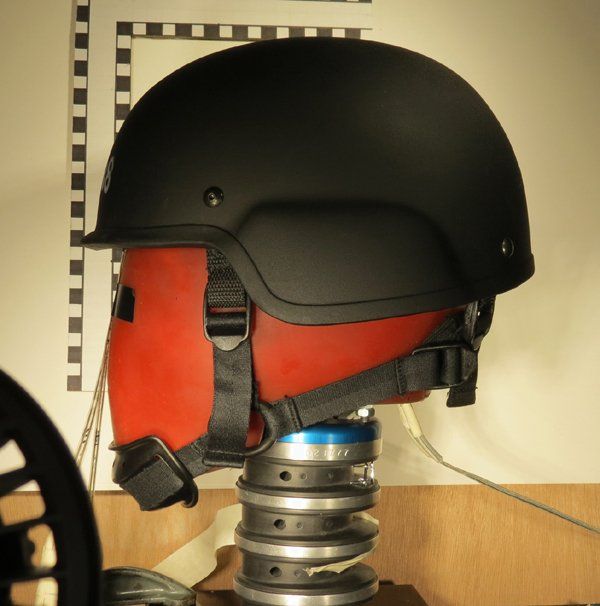
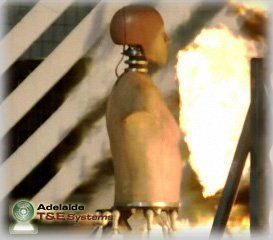
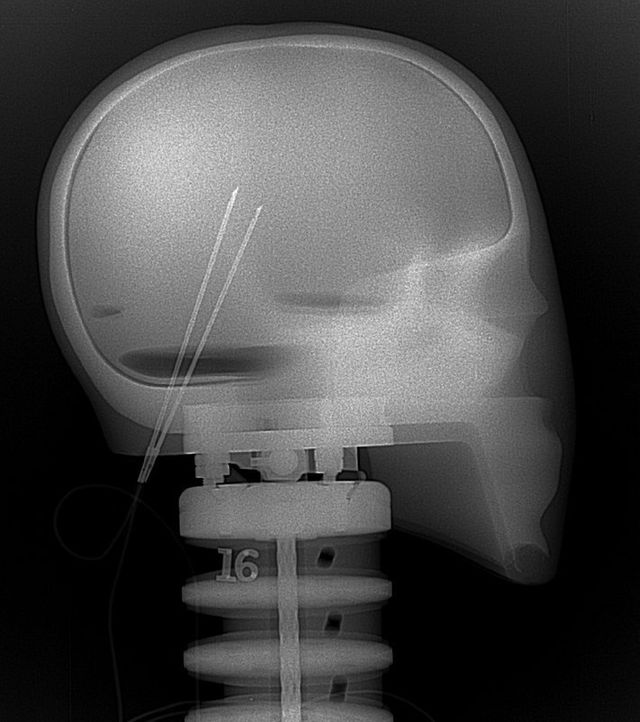
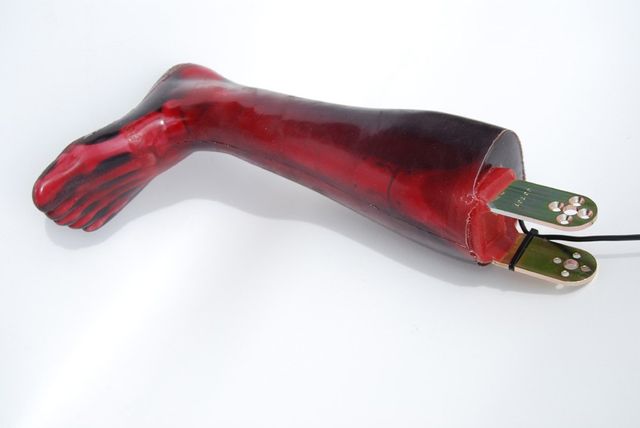
The document is exhaustive in its detail, controlling factors such as the ground conditions, composition of the surrogate landmine, the settings for Hybrid III crash test mannequins, the data acquisition and injury criteria to be employed.
The links forged with test ranges and facility providers has resulted in a team that is now used to working to this complex document and can deliver comprehensive results in a timely fashion.

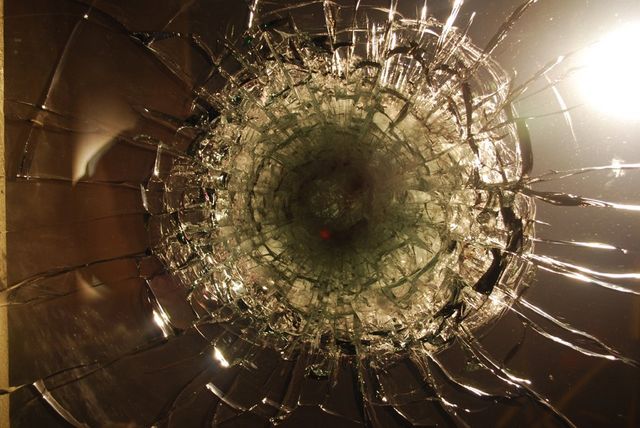
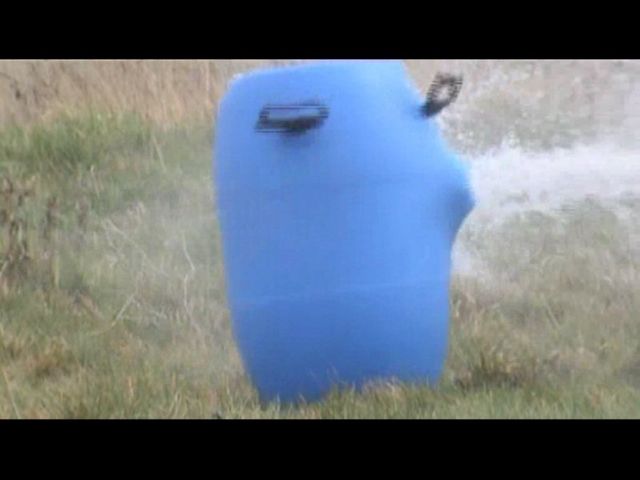
Explosive blast testing is a highly specialized field of empirical science used to validate the resilience of structures, materials, and security equipment against the devastating effects of a detonation. Unlike computational fluid dynamics (CFD) modelling, which provides theoretical predictions, physical blast testing offers ground-truth data on how protective measures, such as blast-resistant glazing, doors, or vehicle barriers, behave under extreme, high-strain-rate loading. There is also a need for testing blast containment systems and the protection rating offered by armoured vehicles.
The core objective of a blast test is to replicate a specific Design Basis Threat (DBT) and measure the resulting interaction between the blast wave and the target.
The primary destructive force of an explosion is the shock wave, a thin zone of highly compressed air traveling faster than the speed of sound. Testing focuses on two main metrics: Peak Overpressure (the maximum pressure above atmospheric levels) and Impulse (the area under the pressure-time curve).
To capture this, engineers utilize piezoelectric or piezoresistive pressure transducers. These sensors are placed in two configurations:
Beyond the pressure wave, many explosive threats involve fragmentation—either from the weapon casing itself (primary) or from debris displaced by the blast (secondary). Assessing how protection measures stop or contain these high-velocity projectiles is critical for life safety.
In a test environment, fragmentation is often monitored using “witness screens” (typically made of plywood or thin aluminium) placed behind the target. By analysing the perforation patterns and the depth of penetration in these screens, testers can determine if the protective measure successfully prevented “spalling” – the lethal ejection of material from the rear face of a barrier.
Because an explosive event occurs in milliseconds, standard videography is only part of the solution and is used for wide view general effects shots. Blast testing relies on High-Speed Cameras (HSC) capable of frame rates ranging from 2,000 to over 100,000 frames per second for proper analysis.
High-speed filming allows engineers to:
The validity of a blast test is entirely dependent on the precision of the setup. Small deviations in geometry can lead to massive variances in results. Documentation must include:
There is no “one size fits all” for blast testing. The principles are applied through various international standards depending on the asset being protected:
By adhering to these rigorous principles, security engineers can ensure that when the unthinkable happens, the protective equipment functions as a life-saving barrier rather than a point of failure.
Excellent ‘Martyn’s Law’ conference held yesterday within the ‘Blue Light’ exhibition event at Olympia. A good spread of speakers and a panel made up largely
Well done to the team at Level Peaks for organising another ‘Breacher’s Fest’ in a quiet corner of Cornwall. Doing the Detsafe demos inside the

Please to report that the Pint of Science festival allowed an engineer through the door to speak on their work. Steve Holland of SJH Projects

Automated page speed optimizations for fast site performance